September 3, 2026 · Uncategorized
White Gold vs Yellow Gold Engagement Ring in Las Vegas
You're standing at a display case in Las Vegas, the proposal date is real, and the ring has to look right the first time. That's where the white gold vs yellow gold engagement ring decision stops being abstract. It's not just about color, it's about how the stone reads, how much upkeep you'll live with, and whether the ring fits a same-day plan that might include a marriage license, a chapel, and a quick pickup before dinner.
For buyers here, the smartest choice is usually the one that matches the look you want, the maintenance you'll tolerate, and the timeline you're on. White gold gives you that bright, icy presentation. Yellow gold gives you warmth and less upkeep. If you're shopping in Las Vegas, the practical question is simple, which one lets you leave confident today and still like the ring a year from now?
| Criteria | White Gold | Yellow Gold |
|---|---|---|
| Look | Cool, silvery, diamond-forward | Warm, classic, traditional |
| Daily upkeep | Needs periodic rhodium replating | Keeps its color without replating |
| Wear feel | Slightly harder in published benchmarks | Slightly softer in published benchmarks |
| Style signal | Modern, sleek, bridal-default look | Vintage, romantic, heritage feel |
| Best for | Buyers who want maximum sparkle | Buyers who want low-maintenance ownership |
Table of Contents
- Why Metal Color Is the First Big Ring Decision in Las Vegas
- How White Gold and Yellow Gold Actually Differ
- Side-by-Side Comparison of Look, Durability, Upkeep, and Price
- Matching Your Gold Color to Skin Tone and Personal Style
- How Each Metal Pairs With Lab-Grown Diamonds
- Buying Your Ring Same-Day in Las Vegas
- Which Metal Should You Choose
Why Metal Color Is the First Big Ring Decision in Las Vegas
A couple walks into a downtown Las Vegas jeweler with a chapel booking already on the calendar. They've got one afternoon, one budget, and one shot at not second-guessing themselves all week. The diamond matters, but the metal color changes the whole read of the ring, so this is the first decision that narrows the field.
The choice shapes the rest of the ring
White gold usually pulls the eye straight to the center stone. Yellow gold does something different, it wraps the stone in warmth and makes the whole piece feel more grounded and classic. In a city where people shop fast and decide faster, that difference matters more than abstract style talk.
The practical issue is not just taste. It's whether you want a ring that looks bright and modern right now, or a ring that feels easy to live with long term. White gold brings more upkeep. Yellow gold brings less.
Practical rule: If you're buying under time pressure, choose the metal that fits the wearer's day-to-day habits first, then pick the stone.
This guide is built around five things that determine the purchase, look, maintenance, durability, style fit, and price. That's the Las Vegas lens, especially for locals on a budget and visitors trying to fit ring shopping between a license pickup and a chapel ceremony.
How White Gold and Yellow Gold Actually Differ
Start with the alloy, not the color
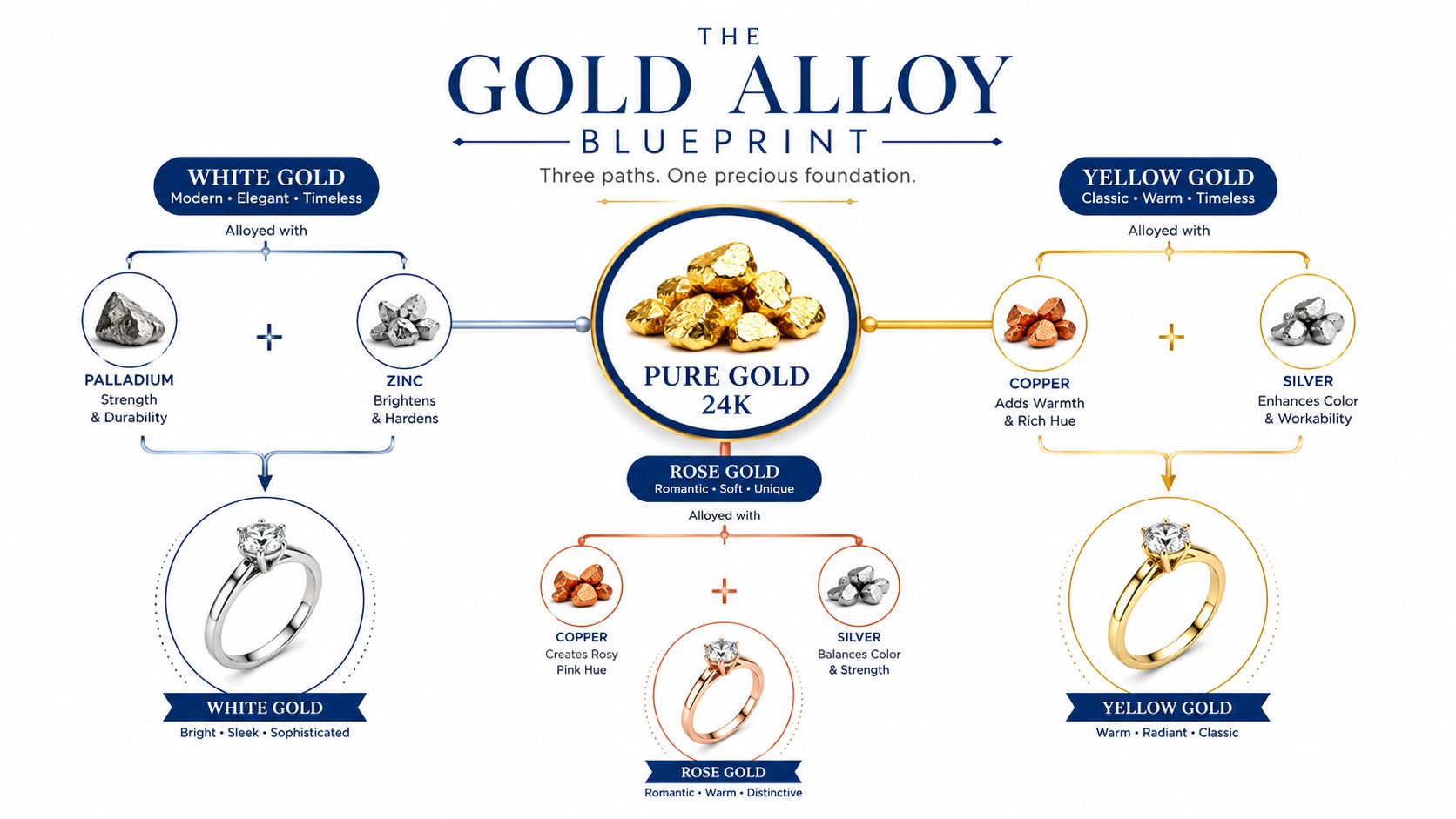
Both metals begin with gold, but the mix changes everything. 14K white gold is 58.3% pure gold, and 18K white gold is 75.0% pure gold, with the rest made up of white metals such as palladium, nickel, silver, copper, or zinc. Yellow gold uses a different alloy blend that keeps gold's natural color intact, so the practical difference is both visual and compositional. The metal isn't just painted a different shade, it's built differently from the start. Metalorix's white gold composition guide lays out that distinction clearly.
What the karat stamp really tells you
If you see 14K on a Las Vegas ring listing, that means the ring is gold alloyed for durability, not pure gold. 18K contains more gold and usually feels richer in color, while 14K is the standard workhorse for daily-wear engagement rings. That matters because shoppers often compare “14K white” to “14K yellow” as if they're totally different materials, when the bigger difference is how each alloy is finished and maintained.
White gold became the modern bridal default because its silvery tone plays well with diamonds and can mimic platinum at a lower cost premium. Yellow gold kept its traditional identity because the color comes from the metal itself, not from plating. That's why white gold reads as sleek and current, while yellow gold reads as warm and familiar. Historical trade commentary notes that around 1990 white gold and platinum began pushing yellow gold out of the engagement-ring spotlight in the U.S., and modern preference data still shows the split is alive. Lexaco's engagement-ring history and value guide connects that shift to the bridal market today.
The finish is where the ownership difference starts
Most 14K white gold engagement rings get their bright look from rhodium plating. That plating is microscopic, and it wears off over time, which is why white gold needs maintenance that yellow gold usually doesn't. Independent care guidance notes that daily-worn white gold rings commonly need replating every 6 to 18 months, with heavier exposure making it sooner. JewelTrendPro's rhodium plating guide spells out that reality plainly.
Side-by-Side Comparison of Look, Durability, Upkeep, and Price
| Criteria | White Gold | Yellow Gold |
|---|---|---|
| Visual tone | Cool, bright, silvery-white | Warm, rich, golden |
| Durability | Harder in published Vickers ranges | Slightly softer in published Vickers ranges |
| Upkeep | Rhodium replating is part of ownership | Color stays stable without replating |
| Price | Similar at the same karat | Similar at the same karat |
White gold wins on first impression. It reads bright, modern, and close to platinum, which is why it keeps showing up on engagement rings with diamonds, including lab-grown stones. Yellow gold goes the other direction, with a warmer look that feels traditional and grounded.
On wear, white gold has the edge in published hardness figures. 14K white gold is commonly listed around 170 to 230 HV, while 14K yellow gold is listed around 140 to 160 HV. This Vickers hardness reference backs up that spread. Harder does not mean maintenance-free, though. White gold's strength comes with a finish that needs care.
That finish is the total ownership cost. White gold usually depends on rhodium plating for its bright color, and that layer wears away with daily use. Yellow gold does not have that problem because its color comes from the alloy itself, not a surface coating. If you want the ring to keep the same look without scheduling replating, yellow gold is the easier choice.
Hidden cost to remember: White gold can look like the cleaner buy on day one, but the rhodium cycle becomes part of ownership as soon as you wear it daily.
Price is a near tie at the same karat. The metal choice usually does not move the budget much. Stone size, cut quality, and certification matter more. If you are shopping a same-day proposal in Las Vegas and want a quick inventory check, this ring metal listing page shows how 14K yellow gold options are presented for fast buying decisions.
Matching Your Gold Color to Skin Tone and Personal Style
Skin tone advice gets repeated too casually. The old rule that cool undertones suit white gold and warm undertones suit yellow gold is a useful starting point, but it's not the final answer. The ring should match what the wearer already chooses, what they reach for daily, and whether they want the ring to blend in or stand out.
Style, not just undertone, should drive the choice
If someone wears silver-toned earrings, a white watch, and clean modern lines, white gold usually feels natural. If their closet leans earthy, gold jewelry is already part of the look, and yellow gold will feel deliberate instead of forced. That's the part most shoppers get right when they stop treating skin tone like a strict rule.
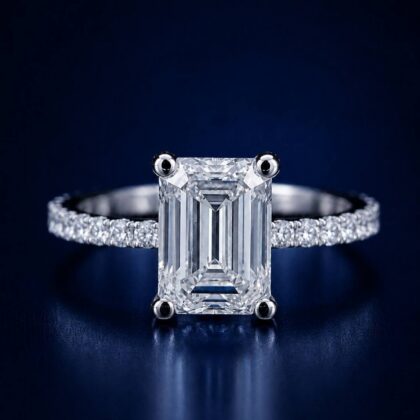
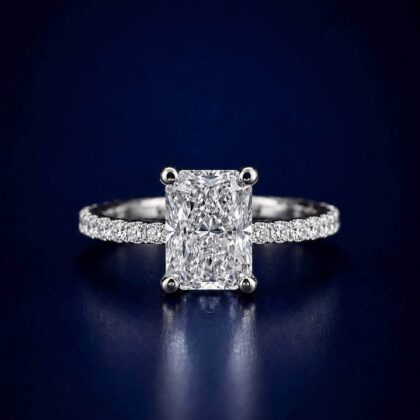
Shape matters too. Yellow gold leans romantic and vintage, which is why it pairs so well with oval and pear cuts. White gold feels sharper and more contemporary, which suits emerald and radiant cuts especially well. Mixed-metal settings are also rising, and that gives couples a way to soften the either-or decision without pretending the difference doesn't exist.
The same hand can look good in both metals under different lighting. Store lights flatter one choice, natural daylight can favor the other, and the hand itself changes across the day.
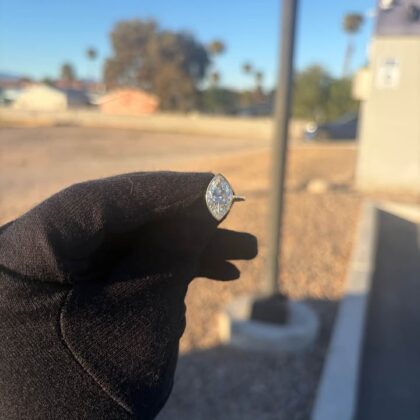
Photograph both colors against the wearer's hand in natural light. The better choice usually shows up in the photo before it fully registers in the mirror.
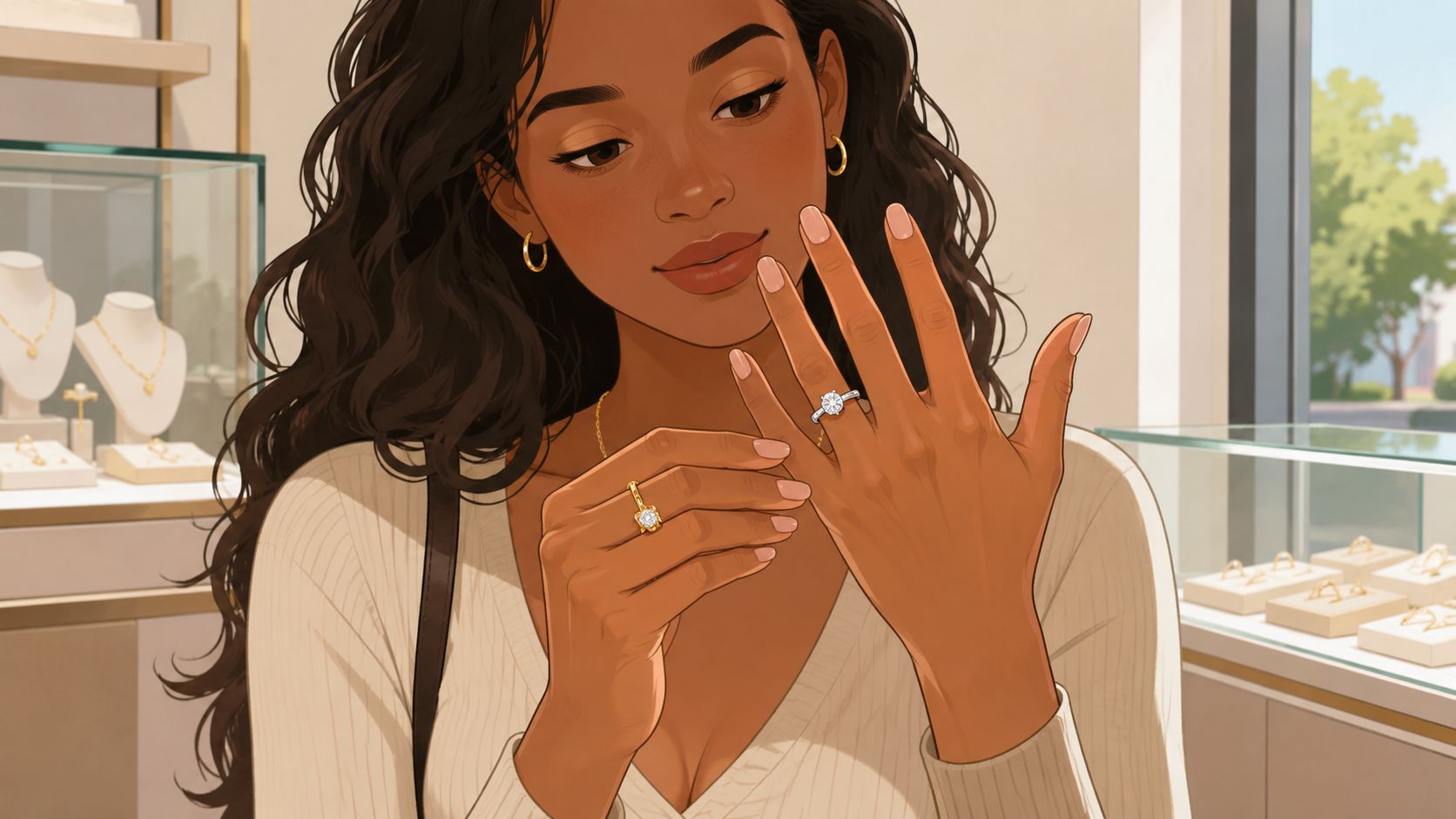
If the ring is meant to disappear into an everyday stack, yellow gold often wins. If the ring is meant to look crisp and unmistakably bridal, white gold usually does that job better.
How Each Metal Pairs With Lab-Grown Diamonds
A lot of buyers in Las Vegas are shopping lab-grown stones now because the budget stretches further. One pricing guide says lab-grown diamonds are typically 60% to 85% cheaper than natural diamonds, and gives examples of roughly $573 for a 1-carat stone, $1,181 for 2 carats, and $1,878 for 3 carats. TeachJewelry's lab-grown pricing guide makes the size advantage obvious. That matters because a larger center stone changes how the metal reads around it.
White gold or yellow gold with lab-grown stones
White gold is the obvious match if you want the cleanest, frostiest presentation. It helps a colorless or near-colorless lab-grown diamond look as bright as possible, especially in cuts that reflect light strongly. Emerald and radiant cuts look very crisp in white gold, while oval and pear cuts can go either way depending on the setting style.
Yellow gold does something more interesting. It creates contrast, and that contrast can make a near-colorless stone read even whiter to the eye. For a buyer working with a fixed budget, that's a smart visual move because the ring can feel rich without needing to spend extra chasing the highest possible color grade.
Certification also matters here. IGI is widely used for lab-grown diamonds, and one comparison guide notes that GIA reports can cost 3 to 5 times more than IGI reports, while IGI report fees may run about $30 to $80 per stone depending on size and location. Another pricing guide says GIA-certified lab-grown diamonds can carry a 5% to 8% wholesale premium over otherwise equivalent IGI-certified stones, and a separate guide says IGI-certified diamonds are often about 12% lower priced than comparable alternatives. Yuda Crystal's IGI vs GIA guide explains why many shoppers compare certification before they compare anything else.
The pairing rule I'd use
If the stone is icy and colorless, white gold keeps the look consistent. If the stone is slightly warmer, yellow gold can make it look cleaner by contrast. That's why metal and diamond shouldn't be chosen in separate conversations.
If you're comparing ready-to-take-home lab-grown rings in Las Vegas, these engagement-ring options are the kind of inventory where the metal choice and stone choice can be judged together instead of in theory.
Buying Your Ring Same-Day in Las Vegas
A same-day ring buyer in Las Vegas is usually working backward from a schedule. The ring has to be in stock, the size has to be right, and the purchase has to fit around license pickup or chapel timing without turning into a separate project.
The fastest path is inventory first
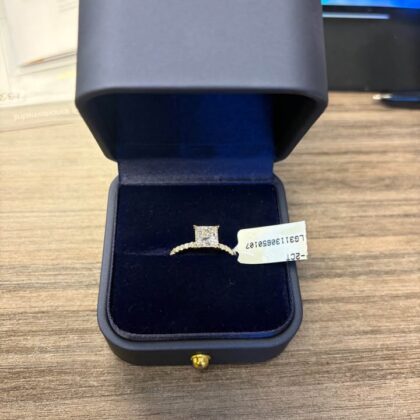
Same-day buying works when the ring is already in the case and the size is already listed. That is the inventory-first model. You send your budget and style notes, the jeweler narrows the options, and you review a short list at the counter instead of wasting time on pieces you cannot take home.
Published sizing matters even more if the shop does not resize on site. You need to know the ring size before you commit, because the primary goal is to leave with a ring you can wear now, not one that needs a second stop later. In a no-shipping setup, clarity beats choice overload every time.
Best local sequence: pick the ring, secure the marriage license, then move to the chapel. In Las Vegas, that order saves time and cuts decision fatigue.
Clark County's Marriage License Bureau in downtown Las Vegas is open 365 days a year, including holidays, from 8 a.m. to midnight, and it doesn't take appointments. Its least busy windows are 8 to 10 a.m. and 8 p.m. to midnight, which makes it easier to line up ring pickup and chapel timing in one afternoon. The bureau's contact page gives buyers a clean timing reference. The bureau is at 201 E. Clark Avenue, which keeps the errand in the downtown wedding corridor instead of sending couples across town.
That same-day setup changes how you should judge metal color. You are not just picking a shade. You are picking a ring you can leave with today, live with later, and keep in step with the rest of your Las Vegas plan. If you want to see same-day engagement rings in Las Vegas, start with inventory that is already ready to go.
Which Metal Should You Choose
If you want the most sparkle-forward look and you don't mind occasional maintenance, choose white gold. It's the cleaner match for shoppers who want a cool, icy presentation and are fine with rhodium replating as part of ownership. If the ring is meant to read modern and bright, that's the better bet.
If you want a ring that stays visually stable with less fuss, choose yellow gold. It's the better fit for buyers who value low-maintenance ownership, warm color, and a classic feel that won't need replating. If you're the type who wants to put the ring on and stop thinking about it, yellow gold is the smarter choice.
If the wearer likes vintage details, ornate settings, or mixed-metal looks, go yellow gold or two-tone without overthinking it. That's usually the most natural answer for buyers who already know they don't want a sleek monochrome look.
A quick decision check helps:
- Daily wear habits: Will the ring be worn every day, around lotion, soap, and constant hand use?
- Existing jewelry: Does the wearer already lean silver-toned or gold-toned?
- Stone color: Is the diamond icy and colorless, or slightly warmer?
- Timeline: Does the ring need to be taken home today, or can it wait?
Last Call Rings LV keeps ready-to-take-home engagement rings in downtown Las Vegas, with 14K white gold and 14K yellow gold settings, IGI-certified lab-grown stones, and prices shown on each listing. If you're deciding between white gold and yellow gold for a same-day proposal, text your budget and preferred look, then see the rings in person at a private counter before you leave with the one that fits. Visit Last Call Rings LV and narrow the choice fast, while the chapel timeline is still on your side.