September 4, 2026 · Uncategorized
Oval Lab Grown Diamond Engagement Ring: A Las Vegas Guide
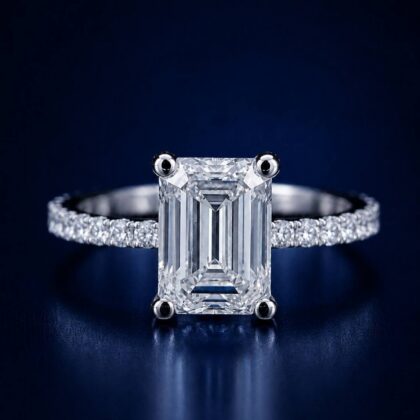
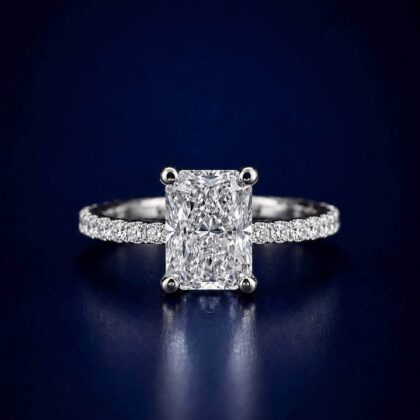
You're probably trying to solve this fast. Maybe you've got a chapel time on the books, a text thread with your partner, and only a few hours to find a ring that doesn't look rushed or flimsy in photos. In Las Vegas, that's normal, and an oval lab grown diamond engagement ring is one of the few choices that fits the pace of the city without looking like a compromise.
Table of Contents
- Why an Oval Lab Grown Diamond Ring Suits a Las Vegas Proposal
- How the Oval Cut Wears on the Finger
- Length to Width Ratio and the Bow Tie Effect
- Depth Table and Light Performance Benchmarks
- Setting Options Including Halo for Oval Centers
- Lab Grown Value and Pricing in 2026
- Buying an In Stock Oval in Las Vegas Same Day
- Quick Checklist Before You Leave With the Ring
Why an Oval Lab Grown Diamond Ring Suits a Las Vegas Proposal
A same-day proposal in Vegas rewards the buyer who keeps it simple and chooses a shape that does a lot of visual work on its own. An oval lab grown diamond ring does that better than most cuts because it looks elongated on the hand, photographs cleanly, and gives you more visible surface area for the carat than a round stone usually does. That's why ovals have become a serious buy for couples who want the ring to read bigger and more elegant without spending like they're shopping blind.
The Vegas timing advantage
If you're walking into a boutique off the Strip with a chapel ceremony already scheduled, you don't have time for a custom order or a three-week wait. You need a certified stone that's already in the case, ready to size, and easy to compare under the lights. Lab-grown inventory makes that possible because the stones are already graded and listed, so you're choosing from what's physically available instead of hoping something comes in later.
That matters in Las Vegas more than people admit. A ring stop has to fit between the marriage license, the ride, the dinner reservation, and the photographer. If the jeweler can text you the options, confirm availability, and get you through the final selection fast, you can leave with a ring in hand and still make the chapel on time.
Why the oval shape looks right on camera
Oval cuts stretch the eye vertically, which helps them sit well against a suit, a bright chapel sign, or the flash from a phone camera. The shape throws a soft, flattering outline that reads as polished instead of bulky. Buyers also tend to like the way an oval makes the center stone feel larger without adding a lot of weight you can't see.
Lab-grown pricing is the other reason locals lean this way. The global lab-grown diamond market was estimated at about USD 29.46 billion, with lab-grown making up over 21% of the diamond market, and one industry summary reported 61% of all engagement ring purchases used lab-grown center stones, up 239% since 2020 according to the market summary at Ken Research. That pricing shift is what lets a practical buyer step into a larger-looking oval instead of settling for a tiny mined stone just to keep the budget intact.
Practical rule: In Vegas, buy the ring that will look finished in photos tonight, not the ring that only looks good on a spreadsheet.
How the Oval Cut Wears on the Finger
The oval's real advantage is how it changes the whole read of the hand. It gives a longer line, and that line makes fingers look slimmer, cleaner, and more deliberate. That's why people who think they want a round often end up preferring an oval once they see it on their own hand in the mirror.
Finger coverage is the whole game
An oval spreads its presence across the finger in a way round brilliants don't. It can create the impression of more stone for the same carat weight, which is exactly why shoppers chasing face-up size keep coming back to it. In plain terms, a 1.50-carat oval can give you a look that feels much closer to a bigger stone than the number suggests, and that's the kind of value Las Vegas buyers usually care about when they're shopping same-day.
The shape also plays well with hand proportions. On narrower fingers, a longer oval makes the hand look elegant and elongated. On broader fingers or bigger knuckles, it adds coverage without looking squat.
Ratio changes the mood
A longer oval reads leaner and more modern. A rounder oval feels softer and more classic. Neither is automatically right or wrong, but the ratio changes the personality of the ring fast, and you'll see it immediately once two stones sit side by side in a case.
Try it on the actual hand, not just the finger size
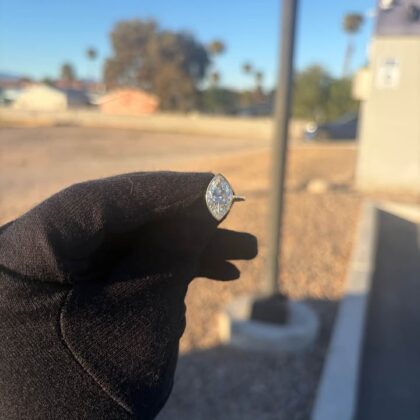
The ring has to work with shoulder height, knuckle size, and how the stone sits when your hand relaxes. A narrow band can make an oval look even longer, while a wider band can make the same stone feel more grounded. If you're buying in person, try the ring on during sizing, then move your hand in and out of the light so you can see whether the oval flatters your proportions or just looks good in the tray.
A stone that looks perfect in a case can feel too thin once it's on a real hand. The hand decides the final answer, not the tag.
Length to Width Ratio and the Bow Tie Effect
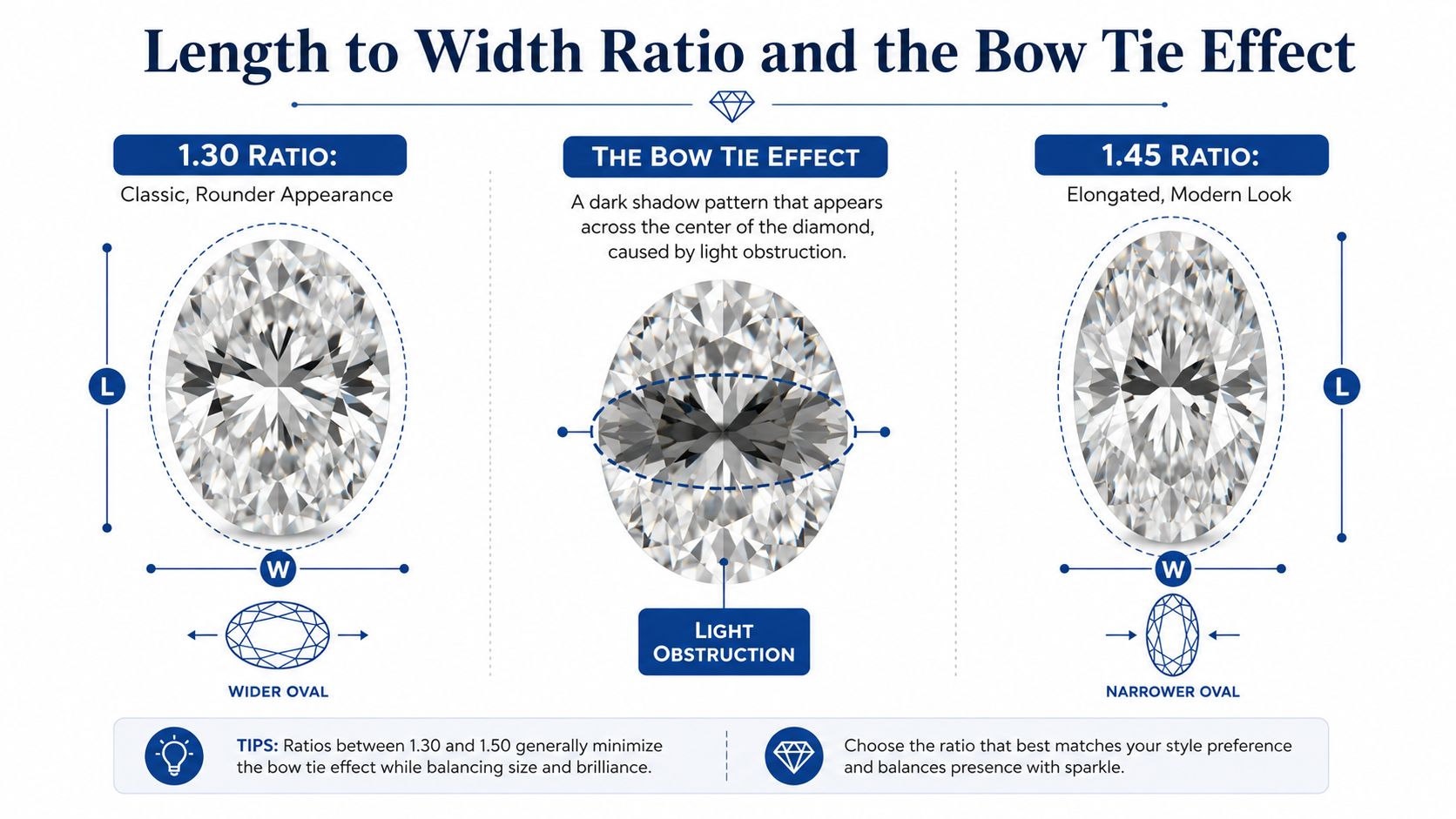
The first number I check on an oval is the length-to-width ratio. In a Las Vegas case, that number tells you fast whether the stone will look sleek, soft, or stretched once it is on a hand. Most balanced ovals sit around 1.30 to 1.50, and 1.35 to 1.45 usually gives the cleanest face-up look. That range lines up with the ratio cluster described in the diamond lab guide at Diamond Lab's bow-tie overview.
What the numbers actually tell you
Around 1.30, the oval reads rounder and more classic. Closer to 1.45, it looks longer, sharper, and more modern. Once it pushes past roughly 1.50, the shape starts to feel thinner and more marquise-like, which is not what most buyers want unless that dramatic outline is the point.
Do not lead with carat weight here. Two ovals with the same carat can wear very differently because one has a better outline and the other is stretched in a way that weakens the face-up shape. In the case, the better proportion wins, even if the paper weight is lower.
Bow tie is normal, severe bow tie is not
Every oval has some bow-tie behavior. Light moves through the stone unevenly across the middle, so you get a shadow band. The issue is not whether a bow tie exists, it is whether it stays soft or turns into a dark stripe that kills the center.
A mild bow tie looks like a gray band that comes and goes as the ring moves. A bad one looks like a hard black bar parked in the middle. The bow-tie effect is a cut and proportion issue, not a growth-method issue, so lab-grown ovals can show it just like mined ovals, as trade guides on bow-tie behavior explain.
How to test it in store
Hold the stone under the case lights and watch the center first. You want a gentle contrast band that changes with movement, not a dead dark stripe that never opens up. If the jeweler has to keep twisting the ring before it finally looks alive, pass on it.
The best same-day pick is usually the oval that looks bright from straight on and still holds its shape when you tilt it. If the bow tie is the first thing you notice, the stone is not ready.
Depth Table and Light Performance Benchmarks
Two ovals can both say 1.50 carat on the report and still wear differently on the finger. The reason is proportion. Depth and table tell you whether the diamond is carrying its weight where you can see it or hiding too much of it below the girdle.
What proportions I'd actually ask to see
A working oval benchmark usually sits around 58 to 63% depth and roughly 54 to 61% table, with some guides widening the acceptable table range to about 53 to 63% depending on outline and facet pattern, as noted in Labrilliante's bow-tie and proportion guide. That's the zone where the stone tends to stay bright without looking bloated or washed out.
If depth runs too shallow, the oval can leak light and start to look watery. If it runs too deep, the diamond hides weight below the face and can face up smaller than it should for the carat. I'd rather see a slightly smaller but better-balanced oval than a deeper one that looks sleepy in the center.
Compare the report before you waste time on the hand
A quick read of the IGI paperwork saves you from falling in love with the wrong stone. If the proportions sit way outside the normal working range, there's a good chance the ring will disappoint once it's on your finger, no matter how polished the sales pitch sounds. The report won't tell you everything, but it gives you a fast filter before you spend ten minutes trying on a stone that already failed the math.
| Oval Lab Grown Diamond Benchmarks at a Glance | ||
|---|---|---|
| Measurement | Target Range | Skip If |
| Depth | 58 to 63% | It reads too shallow or too deep |
| Table | 54 to 61% | It looks glassy or overly flat |
| Ratio | 1.30 to 1.50 | It looks too round or too narrow |
What brightness should look like
Tilt the stone under the lighting and look for crisp brightness that turns on and off as the oval moves. You want even scintillation and a centered life in the stone, not a flat wash that looks bright only because the case lights are hitting it head-on. That's the point where a lab-grown oval earns its keep, because you can choose a better proportion window instead of wasting the savings on extra carat weight alone.
Setting Options Including Halo for Oval Centers
The setting changes how the oval reads before the diamond even gets a chance to impress. On a well-proportioned oval, the mounting should either protect the shape or amplify the spread, not fight it. For a buyer in Las Vegas, that means choosing the setting that matches the hand and the schedule, because same-day rings don't leave much room for regret.
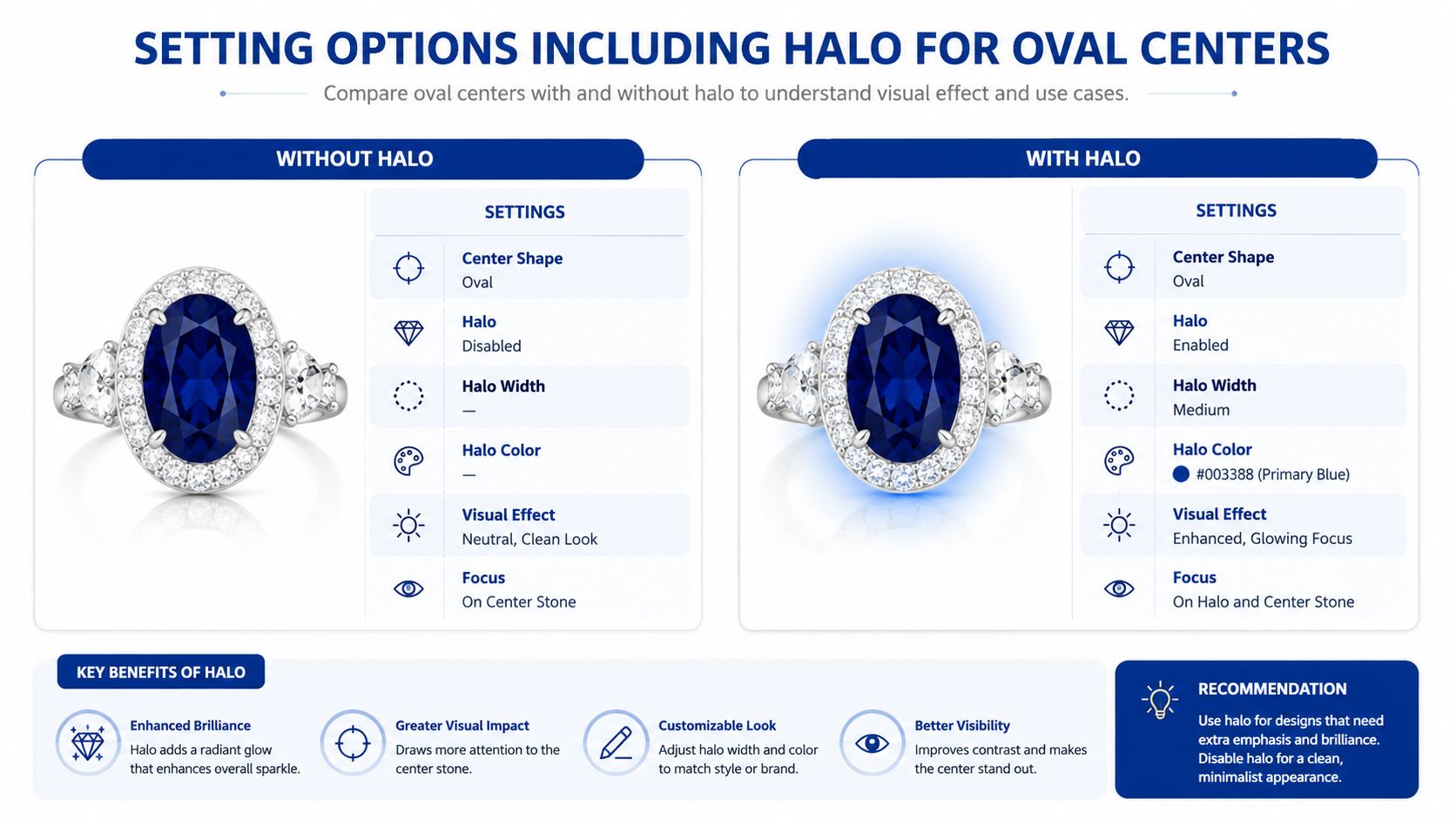
Solitaire, hidden halo, full halo, bezel
A solitaire keeps the focus squarely on the oval. In a slim platinum or yellow gold band, it's the cleanest option and the one I reach for when a buyer wants the stone to do all the work. It also flatters shorter fingers because the shape can stretch the hand without extra clutter.
A hidden halo adds light from the side without crowding the face-up view. The oval still looks like an oval, but the profile gets more sparkle and a little lift. If you like a clean top view but want the ring to catch attention from an angle, this is the middle ground.
A full halo changes the footprint the most. It wraps the center with extra diamonds and makes the oval appear larger, which is useful if you want a 1.50-carat stone to read closer to a bigger solitaire. On wider fingers, that extra spread can be a smart move because it gives the ring more visual presence.
A bezel protects the stone by wrapping metal around the edge. It softens some brilliance, but it's strong, practical, and visually modern. I'd put it on the short list for someone who cares more about daily wear than maximum sparkle.
The setting should match the finger, not the fantasy
If the hand is small and the buyer wants elegance, I lean solitaire. If the hand needs a little more width coverage, a halo makes sense. If the ring is meant for constant wear, the bezel wins more often than people expect because it protects the stone and lowers the chance of snagging.
For a deeper look at gold choice with this shape, read white gold vs yellow gold engagement rings. The metal changes how bright the oval feels, especially once you move between a cool white mounting and a warmer yellow one.
A good setting doesn't steal attention from the oval. It makes the oval look finished.
Lab Grown Value and Pricing in 2026
Lab-grown pricing has changed the entire oval conversation. In 2026, the gap versus mined stones is big enough that buyers can stop pretending they're choosing between beauty and budget. They're choosing how much beauty they can get for the money they want to spend.
What the price gap buys you
A neutral industry publication says lab-grown stones typically retail for 70% to 90% less than mined diamonds of equivalent quality. It also gives a concrete example where a 1-carat G color, VS2 clarity mined diamond typically sells for $4,000 to $8,000, while the lab-grown equivalent is about $750 to $1,500. For a 2-carat stone, the same source shows the lab-grown range around $1,650 to $2,800 versus $15,000 to $25,000 for a mined equivalent, as reported by Idyl's 2026 price comparison.
That's not a small gap. That's the difference between staying small and stepping up to the stone size people notice.
Why the in-stock case matters
In a Las Vegas case, that price advantage means you can compare live stones side by side instead of settling for a catalog image and a promise. The inventory is already in front of you, the price is already printed, and the decision gets easier because there's no waiting for a vendor to source a maybe-better stone later. If you want a 2-carat oval instead of a smaller mined piece, lab-grown makes that a realistic same-day choice rather than a stretch.
The cleanest use of the savings is simple, spend it on better proportions, better clarity, or the setting that makes the oval read correctly on the hand. Don't blow the margin just to chase a bigger number on paper.
For a local breakdown of what that money buys in town, see lab-grown diamond engagement rings in Las Vegas.
Buying an In Stock Oval in Las Vegas Same Day
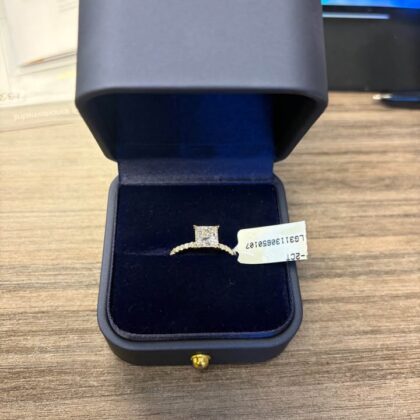
The fastest path is the one that keeps the decision narrow. Text your budget, finger size, and preferred carat range first, then let the jeweler pull a short list of IGI-certified ovals from the case. That keeps you from wandering through a tray of random stones that don't fit the ring, the hand, or the clock.
The same-day workflow that works
Start by sending the budget and a clear size range by text. A good shop can usually narrow the selection before you arrive, which is how you get from “shopping” to “ready to leave” without wasting the afternoon. If the stones are in stock, you're not waiting on shipping, casting, or a callback.
Once you're there, compare two or three candidates under standard lighting and a loupe. Check the length-to-width ratio, the depth, and how the bow tie behaves on your hand, not just on the tray. The report matters, but the ring has to survive real light and real movement.
After that, verify the IGI report number against the laser inscription on the stone. Then confirm the published ring size on the mounting and decide whether it fits as-is or needs a resize plan before the chapel timing gets tight. If the store doesn't do on-site resizing, that needs to be part of the decision, not an afterthought.
A downtown Las Vegas advantage
Las Vegas has its own rhythm, and downtown shoppers feel it most. Clark County's Marriage License Bureau at 201 E. Clark Avenue is open 365 days a year, including holidays, from 8 a.m. to midnight, which is why same-day ring buying works so well for chapel traffic. The county also says its least busy times are typically 8–10 a.m. and 8 p.m. to midnight, with Sundays and Tuesdays usually least busy, according to the county contact page at Weddings.vegas.
That's the local window you're buying into. Text early, come in with intent, and don't let the ring search drag past the rest of the wedding day.
If you're looking at in-stock rings in town, engagement rings in Las Vegas, NV is the kind of inventory page that should show you actual pieces, not placeholders.
Quick Checklist Before You Leave With the Ring
Before you walk out, check the basics with zero guesswork.
- Confirm the ring size: Make sure the published size on the mounting matches the finger, or get the resize plan in writing before the ceremony.
- Match the report to the stone: The IGI report number should match the laser inscription, and the paperwork should list the correct carat, color, clarity, and cut information.
- Look at the ring in store light: Take a quick photo on the hand so you can compare the stone later in daylight.
- Ask about policies in writing: Return, upgrade, and resizing terms should be clear before you pay.
- Protect the schedule: Leave at least ninety minutes before chapel time so sizing surprises and final paperwork don't wreck the day.
If the oval looks good on the hand, the report matches, and the ring size is right, you're done. Don't overcomplicate it.
Last Call Rings LV keeps the process tight, with in-stock lab-grown rings you can view in downtown Las Vegas and take home the same day. If you want a ready-to-buy oval lab grown diamond engagement ring and you're on a chapel timeline, Last Call Rings LV is set up for that kind of purchase.